
Your creative work might be strong, but if clients can’t clearly see the connection between your efforts and their results, their sense of value fades fast. Deliverables are no longer the only proof of success. They’re just one piece of it. What clients really want is transparency, insight, and confidence that their investment is making an impact. That’s where client reporting comes in.

Reporting tells a story about where their time and budget went, what your work achieved, and how you’re helping them move forward. When done well, client reporting turns data into trust, and trust into long-term relationships.
Let’s look at why strong, insight-driven client reporting matters more than ever, and how it can transform how clients see your agency’s value.

Why Client Reporting Matters More Than Ever
The creative industry has evolved. Clients expect more visibility, more accountability, and more proof of ROI. Delivering great work is still essential, but it’s no longer enough on its own. To keep clients engaged and confident, agencies must show not just what they delivered but why it mattered.
Clients Expect Transparency and Insight
Today’s clients are savvier than ever. They’re juggling their own internal metrics, performance reviews, and budget pressures. When they invest in creative work, they want to understand how it connects to their business outcomes.
That means agencies can’t afford to keep reporting as an afterthought. A well-crafted report (aka one that translates time tracking, budgets, and outcomes into meaningful insights) builds trust and positions you as a strategic partner, not just a vendor.
Data-Driven Accountability Is Now the Norm
Marketing and creative budgets are being scrutinized more closely, and agencies are expected to back up their recommendations with data. Clear, consistent reporting gives clients the confidence that every hour and dollar spent was used effectively.
It also protects your team. When you can show exactly how time was allocated, where efficiencies were gained, and what results were achieved, you strengthen your position in pricing, scope management, and future project discussions.
Retention Is Cheaper (and Easier) Than Acquisition
Winning a new client is expensive. Keeping one is far more profitable. Reporting plays a key role in retention because it keeps your agency top of mind, because you’re communicating progress, results, and proactive thinking even when you’re not actively delivering new work.
A regular reporting cadence, monthly or quarterly, reminds clients of your value and opens up conversations about next steps. It’s not just about showing what’s been done, but demonstrating that you’re always thinking about what comes next.
Reporting Builds Trust Through Visibility
When clients feel informed, they feel secure. Regular, transparent reporting prevents the “black box” effect, where clients can’t see what’s happening behind the scenes. Instead, it creates a sense of partnership: they know where their project stands, what’s coming next, and how their investment is performing.
Deliverables show what you did. Reports show why it matters. The more clearly you can connect those dots, the stronger and longer your client relationships become.
Beyond Metrics: What Clients Actually Care About
When it comes to client reporting, it’s easy to get lost in the numbers. Hours logged, tasks completed, budgets spent… these are all important internally, but they don’t always resonate with clients.
Outcomes Over Output
Clients rarely measure success by how many hours you worked or how many drafts you sent. They care about the results your work produces. Did the campaign increase engagement? Did the redesign improve conversions? Did the content strategy drive measurable traffic?
Framing your reports around outcomes, not just output, shows clients that you understand their goals and are actively contributing to them.
Strategic Alignment
A client’s investment in your agency isn’t just for tasks to get done; it’s to advance their bigger objectives. A report that clearly connects project activities to their business goals demonstrates that your team is purposeful.
For example, a monthly dashboard might highlight how time spent on social media strategy aligns with a goal of boosting audience engagement, rather than simply listing hours logged per task.
Efficiency and Transparency
Clients value knowing that their resources are being used wisely. Reporting that clearly outlines time allocation, progress toward milestones, and budget usage builds confidence. It shows that your team is organized, accountable, and efficient, qualities clients remember long after the project ends.
Insights and Recommendations
Finally, reporting isn’t just backward-looking. Clients want to see your expertise at work. Include observations, lessons learned, and recommendations for next steps. Showing that you’re thinking ahead positions your agency as a proactive partner, not just a reactive service provider.
Every report should tell a story: “Here’s what we did, here’s why it mattered, and here’s what we recommend next.” When clients can follow the narrative, the value of your work becomes obvious and memorable.

What to Include in a Value-Focused Client Report
A strong client report tells the story of your work, shows the impact of your efforts, and positions your agency as a strategic partner. Here’s a breakdown of the essential elements every value-focused report should include.
Executive Summary
Start with a concise overview of the project’s key outcomes. This should be 1–2 pages at most and answer the big questions up front:
- What was accomplished?
- What results were achieved?
- What are the next steps?
Visuals like charts, infographics, and bullet points make the summary easy to digest. Clients should be able to grasp the story at a glance.
Project Overview
Remind clients of the original goals, scope, and timeline. This anchors the report and provides context for the results. It also demonstrates that you’re tracking progress against agreed-upon objectives, not just completing tasks.
Performance Metrics
Here’s where data meets insight:
- Time tracking: Show how hours were allocated across phases or tasks. Highlight efficiency gains or unexpected challenges.
- Budget tracking: Clearly communicate spending vs. planned budget to reassure clients that resources are well-managed.
- Task and milestone completion: Track progress against key project milestones to show momentum and reliability.
Use visuals to make data digestible. Charts, graphs, and color-coded tables help clients see patterns and trends quickly.
Results & Outcomes
Translate activity into tangible results. Examples include:
- Increased social media engagement
- Higher website conversions
- Streamlined internal processes
Whenever possible, provide before-and-after comparisons. Showing improvement or growth helps clients see the direct value of your work.
Insights & Recommendations
Data is powerful, but insight is even more valuable. Highlight lessons learned, emerging trends, or opportunities for improvement. Then, provide actionable recommendations. This positions your agency as forward-thinking, not just reactive.
Next Steps & Continued Value
End the report by outlining what’s coming next. This could include:
- Recommended follow-up campaigns
- Adjustments to strategy based on results
- Opportunities for continued collaboration
By showing a path forward, you reinforce your role as a strategic partner and open the door for future projects.
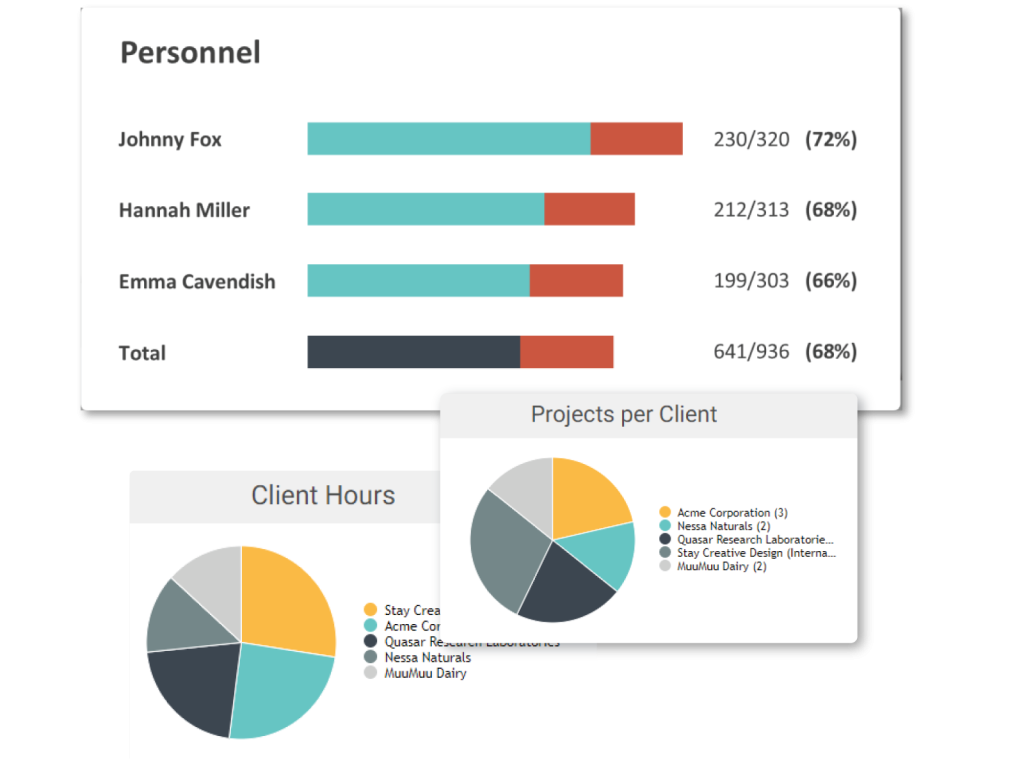
FunctionFox’s reporting tools make it simple to capture time, budgets, and milestones in one place, so generating client-ready reports is faster, easier, and more professional.
Common Client Reporting Mistakes (and How to Avoid Them)
Even the most well-intentioned agencies can stumble when it comes to client reporting. Recognizing common pitfalls can make the difference between reports that impress and reports that confuse.
Mistake 1: Overloading with Data Without Context
It’s tempting to include every metric, every task, and every hour worked, but clients can get lost in the details.
Fix: Focus on what matters most to the client. Highlight trends, key achievements, and outcomes. Pair numbers with clear explanations so data tells a story, not just fills a spreadsheet.
Mistake 2: Irregular or Inconsistent Reporting
Reports delivered sporadically, or only at the end of a project, can feel reactive rather than proactive.
Fix: Establish a consistent cadence (weekly, monthly, or quarterly). Use templates and automation tools, like FunctionFox’s reporting features, to make this routine. Predictable reporting builds trust.
Mistake 3: Failing to Tailor Reports to Client Goals
One-size-fits-all reports often miss the mark. What’s important to one client may be irrelevant to another.
Fix: Customize your reports for each client. Emphasize metrics, insights, and recommendations that directly relate to their objectives.
Mistake 4: Only Reporting on Past Performance
Clients value foresight. Reports that only summarize what has already happened don’t demonstrate strategic thinking.
Fix: Include insights and actionable recommendations. Suggest next steps, adjustments, or new opportunities. This positions your agency as forward-looking, not just reactive.
Mistake 5: Treating Reporting as an Afterthought
Waiting until a project ends to pull together a report can make it feel rushed and incomplete.
Fix: Build reporting into your workflow from day one. Track time, milestones, and outcomes consistently. Tools like FunctionFox capture data as you go, so reports are accurate, professional, and easy to generate.
A report is only as good as the value it communicates. Avoid these common mistakes, and your reports will strengthen relationships, justify investment, and highlight your agency’s strategic impact.
How FunctionFox Simplifies Client Reporting
Creating reports that demonstrate real value doesn’t have to be time-consuming or complicated. FunctionFox provides tools designed to make client reporting faster, easier, and more impactful, so agencies can focus on insights, not just data entry.
Real-Time Project Dashboards
FunctionFox dashboards give both teams and clients instant visibility into project progress. Time tracking, budget status, and task completion are displayed in one place. This transparency keeps everyone on the same page and reduces the need for lengthy status meetings.
Customizable Reports
Every client has unique priorities. FunctionFox allows you to generate tailored, branded reports with only the metrics and milestones that matter most. Whether it’s a high-level executive summary or a detailed task-level view, you can adjust templates quickly without starting from scratch.
Visibility Across Projects
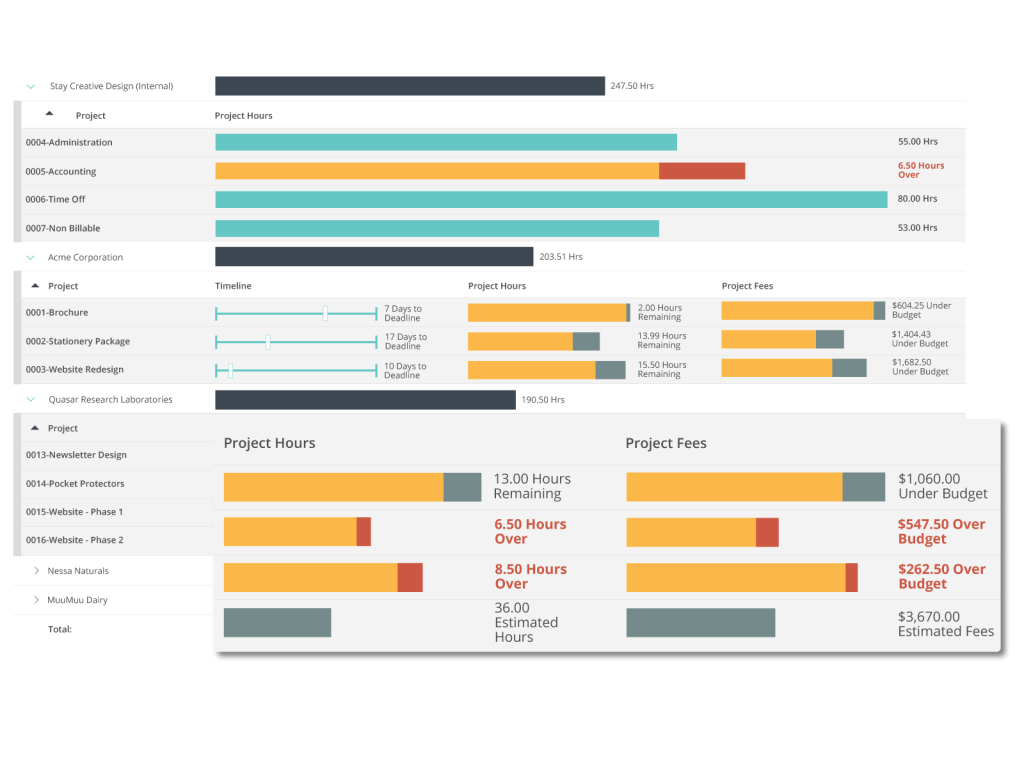
For agencies juggling multiple clients and campaigns, FunctionFox provides a centralized view of all active projects. Clients see progress without constant updates, while internal teams can easily spot trends, bottlenecks, or areas for efficiency improvement.
Historical Reporting for Growth Tracking
FunctionFox captures the present and archives the past. You can pull historical data to show clients how performance has improved over time. These comparisons highlight efficiency gains, budget management, and outcomes that evolve with your agency’s work.
Easy Export and Sharing
Once a report is ready, FunctionFox makes sharing simple. Export professional PDFs or share live dashboards for client review. Visual charts, color-coded tables, and clear summaries make information easy to digest, even for clients who aren’t familiar with project management details.
Treat reporting as an extension of your client service. With FunctionFox, it’s easy to turn time tracking and project management data into reports that demonstrate value, spark conversation, and strengthen long-term relationships.
Turning Reports into Retention Tools
Client reporting is a strategic tool for building long-term relationships. Done right, reports help retain clients, secure ongoing work, and position your agency as an indispensable partner.
Foster Strategic Conversations
Reports give you a natural opportunity to engage clients in discussions about their goals and challenges. Highlighting what’s working and areas for improvement opens the door for collaborative problem-solving.
Demonstrate Proactive Thinking
Include insights and recommendations for next steps in every report. Suggest adjustments, optimizations, or potential future campaigns. This demonstrates that your team is forward-looking and invested in the client’s success, making it easier to secure additional projects or retainers.
Reinforce Your Value Regularly
Consistent, well-structured reporting reminds clients of your contributions. Even when no new deliverables are being produced, a clear report showcasing efficiency, outcomes, and strategic insights reinforces that their investment in your agency is paying off.
Turn Reports into Relationship Builders
Use reports to highlight successes, acknowledge milestones, and celebrate wins. Clients are more likely to renew contracts or expand services when they feel informed, valued, and confident in your agency’s expertise.
Showing Your True Value
The true value of your agency lies not just in what you create, but in the insight, transparency, and strategic guidance you provide along the way. Client reporting is how you make that value visible—turning hours, tasks, and milestones into a compelling narrative that clients can see, understand, and appreciate.
By focusing on outcomes, aligning reporting with client goals, and including actionable insights, agencies can transform reporting from a routine task into a powerful relationship-building tool. Regular, thoughtful reports reassure clients that their investment is producing results, spark strategic conversations, and open the door for future collaboration.
Ready to show your clients the full value of your work? Explore FunctionFox’s reporting tools and see how easy it is to create client-ready reports that impress, inform, and retain. Transform your reporting process from a necessary task into a strategic advantage for your agency.