
Running a small agency is not for the faint of heart. You wear a lot of hats, juggle multiple clients, and somehow still need to find time for team meetings, strategy sessions, and internal projects. When it comes to project management, the margin for error is razor-thin. One delayed task or overlooked deadline can mean a missed opportunity. Or worse, a lost client!
Add to that the pressure of maintaining strong client relationships, delivering top-notch creative work, and keeping your team motivated—often with limited time and resources—and it’s easy to see how overwhelm can set in. The day-to-day reality can feel like a constant game of catch-up, with little breathing room to focus on long-term growth or innovation.

But here’s the good news: you don’t need a massive team to run smooth, successful projects. With the right processes, tools, and mindset, small agencies can manage their workload effectively and even outperform their larger competitors. In this guide, we’ll explore practical strategies and tools to help your lean team keep up (and thrive) without burning out.
The Unique Challenges Small Agencies Face in Managing Multiple Projects
In a perfect world, every project would come with a generous budget, a clear timeline, and a dedicated project manager. But if you’re running a small agency, the reality often looks very different. There’s no generous budget, absolutely no clear timeline, and your graphic designer and videographer is also probably your project manager.
Here are some of the common challenges small agencies face:
- Limited Staff Bandwidth
When you’ve got a team of five (or fewer), you don’t have the luxury of specialization. Your designer might also be managing client calls. Your account manager could be writing copy. Everyone is multitasking, and that means project management often falls through the cracks. There’s simply not enough time in the day to give each task the attention it deserves, and the burden of context-switching wears down productivity and morale.
- Scope Creep
Small agencies tend to be more flexible. And that’s not always a good thing. Without rigid processes in place, it’s easy for projects to balloon beyond the original scope, draining resources and delaying delivery. Clients may ask for “just one more change,” and without a formal change management system, those requests pile up, eating into profit margins and pushing deadlines further out.
- Lack of Dedicated PM Tools
Many small agencies rely on spreadsheets, email chains, or Slack threads to track project progress. These patchwork systems can lead to missed tasks, duplicate work, and confusion about who’s responsible for what. It’s hard to spot bottlenecks in real time or get a high-level view of how projects are tracking. Especially when everything lives in different places.

- Difficulty Juggling Clients and Internal Work
Client work takes priority, but what about updating your own website, marketing your services, or developing internal systems? Those tasks often get shoved to the bottom of the to-do list, even though they’re critical to long-term success. When you’re constantly in reaction mode, proactive work like team development, process improvements, or brand-building never gets the time it needs. Over time, that slows down growth and increases burnout.
The good news? These challenges aren’t insurmountable. With the right systems and tools, you can regain control over your projects without adding headcount.
How to Streamline Project Workflows With Limited Resources
Efficiency is the name of the game when you have a small team. The key is to make your workflows as streamlined and repeatable as possible. When everyone is juggling multiple responsibilities, even minor inefficiencies can compound into major productivity drains. Building a system that supports consistency, clarity, and focus helps you get more done, without burning out your team.
Here’s how to do it:
Standardize Everything You Can
Every time you create a custom workflow from scratch, you lose valuable time. Instead, document repeatable processes (like onboarding a client, launching a campaign, or creating a report) and turn them into templates or checklists. This ensures nothing gets missed and helps new team members ramp up faster.
Use tools like FunctionFox to build out task templates for recurring projects. That way, your team doesn’t have to reinvent the wheel every time you start something new. You can even create standard timelines, assign default team members, and track milestones more consistently.
Get Ruthless About Prioritization
With limited hours in the day, not everything will get done. Focus on what moves the needle most for your clients and your agency. Ask yourself:
- What tasks are critical to meeting deadlines?
- What can wait?
- What can be delegated or outsourced?
Use a simple framework like Eisenhower’s Matrix (urgent/important) or the MoSCoW method (Must have, Should have, Could have, Won’t have) to help prioritize. Consider incorporating weekly team standups or planning sessions to re-align and re-prioritize as needed.
Keep Communication Tight
Reduce unnecessary meetings and instead focus on high-impact communication. Use asynchronous updates (like weekly check-in docs or status dashboards) to keep everyone aligned without eating up hours of meeting time. Keep things transparent, so no one is guessing who’s doing what or when it’s due.
Inside FunctionFox’s project management module, for example, teams can leave comments on projects and tasks, view dashboards, and see real-time updates, keeping everyone informed without the back-and-forth. This not only saves time but also ensures fewer errors and miscommunications.
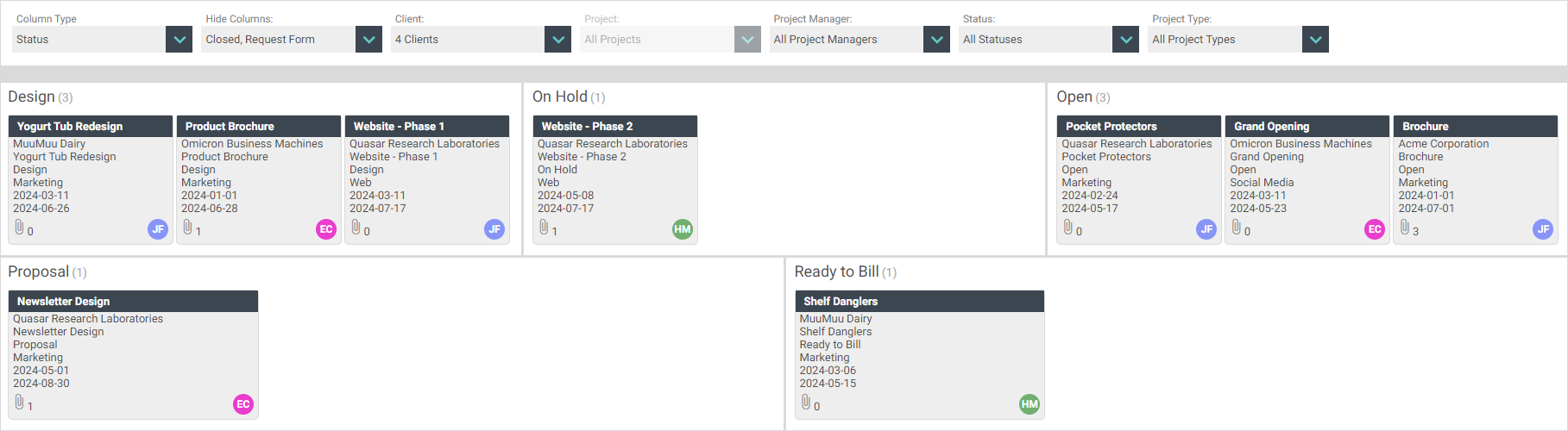
Limit Your WIP (Work In Progress)
Too many active projects = cognitive overload. Limit how many initiatives your team takes on at one time. This is a core principle of Kanban, and it’s especially useful for small agencies that need to protect their time and energy.
By capping work in progress, you force your team to finish current tasks before starting new ones, which leads to faster project completion and better quality output. Use visual tools like Kanban boards to keep everyone focused on what’s in progress, what’s next, and what’s done.
The Must-Have Tools to Stay Organized and Meet Deadlines
The right project management stack can make a small team feel much bigger. Here are the essential categories of tools your agency should have in place:
Project & Task Management
This is your command center. You need a centralized place where you can track:
- Projects and deliverables
- Deadlines and dependencies
- Who’s doing what
- Progress and roadblocks
FunctionFox is a great fit for small creative agencies because it combines project tracking, task assignment, and time tracking into one intuitive platform. You can:
- Set up project templates
- Assign tasks and deadlines
- Track time and expenses
- Monitor progress through dashboards and reports
And because FunctionFox was built specifically for agencies, it includes features like retainer tracking and client-specific reporting that generic tools often lack.
Time Tracking
Small agencies don’t have much wiggle room when it comes to time. Knowing exactly how long things take helps you:
- Set realistic deadlines
- Stay within scope
- Invoice accurately
FunctionFox makes this easy with built-in timesheets and timers that integrate directly into your projects.
Communication & Collaboration
Slack, Loom, and Google Workspace are all solid picks here. Keep your team conversations out of email and ensure your files and feedback live in a shared, searchable space.
File Sharing & Asset Management
You’ll want a cloud storage tool like Google Drive, Dropbox, or Notion to store client files, brand assets, creative drafts, and internal documents. Bonus points if you organize them by project or client.
Client Communication
Use tools like Calendly for scheduling, Zoom for meetings, and shared dashboards (like those in FunctionFox) to keep clients updated on progress without needing extra calls.
How Automation Can Help Small Teams Work Smarter, Not Harder
When your team is small, every minute matters. That’s where automation becomes your secret weapon. You don’t need fancy AI or custom code. Just a few smart automations can shave hours off your week and reduce the mental load on your team. The goal is to remove repetitive tasks that eat up time and distract from high-value work.
Automate Task Assignments
Set up workflows that automatically assign tasks to the right person when a project kicks off. For example, once a logo project is created, assign your designer to “initial concepts” and your PM to “client review” automatically. In FunctionFox, you can create project templates that auto-populate tasks, due dates, and team assignments, saving setup time and reducing errors.
Automate Client Check-Ins
Use templates or scheduling tools to send regular updates. For example:
- Weekly status emails sent every Friday
- Automatic reminders for client feedback or approvals
- Calendar invites for recurring check-in calls
Automating communication keeps clients informed and reduces the number of back-and-forth emails your team has to manage. It also helps set client expectations and keeps projects on track.
Auto-Track Time
Manual time tracking is tedious. FunctionFox makes it easier with built-in timers that connect directly to your task list. Just hit “start” and go. No more guesstimating at the end of the week. Automated time tracking also ensures your billing stays accurate and your reports reflect real effort.
Integrate With Your Favourite Tools
Connect your project management software with your calendar, email, or file storage. Tools like Zapier or Make (formerly Integromat) can help you link your tools together with ease. For example:
- Create a new task in FunctionFox when a client submits a request form
- Add events to your calendar when a new project is created
- Send a Slack notification when a milestone is reached
These integrations eliminate the need for manual entry, reduce the chance of missing important updates, and ensure that everyone stays in sync, without having to check five different apps. Even small automations can make a big difference when multiplied across dozens of projects and touchpoints.

Best Practices for Balancing Client Work and Internal Projects
Client projects keep the lights on. But internal work, like branding, marketing, and system improvements, is what keeps your agency growing. Here’s how to make room for both:
Schedule Internal Work Like a Client Project
If you don’t block off time for internal work, it’ll never happen. Treat your own agency like a client. Set milestones, assign owners, and give internal work a home in your project management system.
In FunctionFox, for example, you can create a “client” called “Internal” and build projects for tasks like:
- Website updates
- Portfolio redesign
- Social media campaigns
Use Downtime Strategically
Client work often ebbs and flows. Use quieter weeks to make headway on internal initiatives. Keep a backlog of “internal to-dos” so you can easily pick something up when bandwidth opens up.
Set Quarterly Goals
Having clear, quarterly objectives for internal improvements helps you prioritize what matters most. Whether it’s improving onboarding or launching a blog, align your internal efforts with your business goals.
Track Time on Internal Projects
This helps you see how much time internal work is actually taking and can help justify hiring or outsourcing when the balance gets skewed.
FunctionFox’s time tracking makes it easy to log internal hours alongside client hours so you get the full picture.
You Don’t Need a Big Team to Run Big Projects
Small agencies are scrappy, nimble, and creative. With the right systems in place, you don’t need a 20-person team to deliver that standout work you’re known for. You just need clarity, consistency, and the right tools to keep things running smoothly.
Great project management is all about focus, alignment, and execution. With a little planning and the right support, your small agency can take on big challenges and come out ahead.
Ready to Streamline Your Projects Without Adding Headcount?
FunctionFox was built specifically for creative teams like yours. Whether you’re juggling client deadlines, internal tasks, or just trying to stay organized with a small crew, FunctionFox helps you manage it all without the overwhelm.
From project templates and task tracking to built-in time tracking and real-time dashboards, you’ll have everything you need to deliver projects on time and on budget.
Start your free trial today and see how FunctionFox can help your small agency run smoother, work smarter, and grow stronger. Without needing a bigger team.